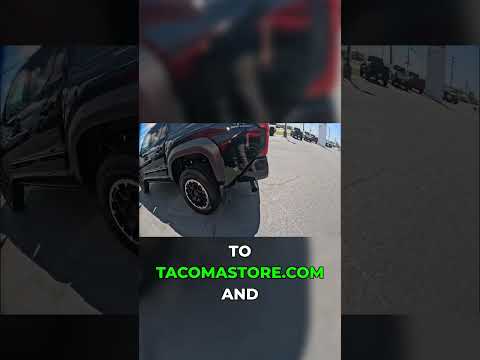
The 4th generation Toyota Tacoma Trailhunter has generated significant buzz in the overlanding community, particularly for its factory-integrated onboard air compressor system. But does this OEM convenience actually deliver the performance serious off-roaders need when it matters most?
In our comprehensive testing, we put the Trailhunter's factory air system head-to-head against a high-performance aftermarket solution from Thor's Lightning Air Systems. The results might surprise you – and could save you valuable time on the trail.
Understanding the Trailhunter Factory Air System
Toyota's decision to integrate an onboard air compressor into the Trailhunter represents a significant step forward for factory overlanding capability. The system is designed for convenience and integration, utilizing the truck's existing electrical system and providing a clean, OEM appearance.
However, convenience doesn't always equal performance. While the factory system offers undeniable ease of use, questions remain about its effectiveness in real-world scenarios where rapid tire inflation can mean the difference between making camp before dark or setting up in the wilderness after sunset.
The Aftermarket Alternative: Thor's Lightning Air Systems
For this comparison, we selected Thor's Lightning's comprehensive air management system, which includes:
- Thor's Lightning Total Control Air Compressor
- Thor's Lightning Manifold for multi-tire operations
- 4-Tire Deflation & Inflation System
- Thor's Lightning Refuge MOLLE Compressor Bracket
This system represents a serious investment in air management capability, designed for enthusiasts who prioritize performance and speed over factory integration.
Deflation Testing: Speed Matters
Our deflation tests revealed interesting results across multiple scenarios. We tested both systems under identical conditions, using the same tire pressures and ambient temperatures to ensure fair comparison.
The aftermarket system's 4-tire simultaneous deflation capability demonstrated a clear advantage in scenarios where rapid pressure reduction is critical. For overlanders who frequently transition between highway and trail conditions, this time savings can be substantial over the course of a multi-day adventure.
For budget-conscious enthusiasts, the ALL-TOP Auto-Stop Deflators provide a middle-ground option that significantly improves deflation speed without the full system investment.
Inflation Performance: The Critical Test
Where the performance gap becomes most apparent is during tire inflation – arguably the most important metric for trail readiness. Our testing protocol involved inflating all four tires from trail pressure (typically 15-18 PSI) to highway pressure (32-35 PSI) under real-world conditions.
The factory system's performance, while adequate for emergency situations, showed limitations when speed and efficiency are priorities. The integrated design, while convenient, appears to prioritize packaging and integration over raw airflow capacity.
The Thor's Lightning system demonstrated significantly faster inflation times, particularly when utilizing the multi-tire manifold configuration. This performance advantage becomes increasingly valuable during longer trail days where multiple pressure adjustments may be necessary.
Real-World Implications
These performance differences translate to meaningful time savings in practical scenarios:
- Multi-day overlanding trips with frequent terrain changes
- Group trail rides where quick transitions are essential
- Emergency roadside situations requiring rapid tire pressure adjustment
- Technical trail sections demanding precise pressure optimization
Essential Accessories and System Integration
Regardless of which primary system you choose, certain accessories can dramatically improve your air management efficiency:
- Thor's Lightning Tire Repair Kit for comprehensive trail preparedness
- Quality pressure gauges for accurate readings
- Proper hose management systems to prevent damage and improve efficiency
The Thor's Lightning Refuge MOLLE Compressor Bracket deserves special mention for its thoughtful integration with popular overlanding storage systems, demonstrating how aftermarket solutions can provide both performance and organization benefits.
Making the Right Choice for Your Build
The decision between factory convenience and aftermarket performance ultimately depends on your specific use case and priorities.
Choose the factory system if:
- You prioritize OEM integration and warranty coverage
- Your off-road use is occasional and less demanding
- Clean, integrated appearance is a primary concern
- You prefer minimal additional equipment to manage
Consider aftermarket solutions if:
- You frequently engage in serious overlanding or technical off-roading
- Time efficiency on the trail is a priority
- You don't mind additional equipment complexity for improved performance
- You're building a dedicated adventure vehicle where function trumps form
The Verdict: Performance vs Convenience
Our testing reveals that while the Trailhunter's factory air system represents a significant step forward in OEM capability, it cannot match the raw performance of dedicated aftermarket solutions. The Thor's Lightning system's superior inflation speeds and multi-tire capabilities make it the clear winner for serious overlanding applications.
However, this doesn't diminish the value of Toyota's factory integration for many users. The convenience factor and warranty coverage may outweigh performance considerations for recreational users or those who prioritize simplicity.
For Trailhunter owners seeking the ultimate air management solution, the aftermarket route provides compelling advantages. The investment in a high-quality system like Thor's Lightning can transform your trail experience, reducing setup times and increasing your capability to tackle diverse terrain conditions.
Whether you're building your first overlanding setup or upgrading an existing system, understanding these performance differences will help you make an informed decision that matches your specific needs and usage patterns.